Stone Masonry vs. Brick Masonry: Key Differences
People exploring stone masonry vs. brick masonry can rely on local service providers to help choose and expertly execute the best material for their project needs.
If you're exploring options for durable and visually appealing masonry work, understanding the differences between stone masonry and brick masonry can make a significant impact on your project. Property owners in the area often consider these materials for various applications, from facades to retaining walls, and knowing their unique characteristics helps in making informed decisions. Whether you're aiming for a classic look or seeking long-term strength, local contractors specializing in stone masonry services can provide valuable insights and craftsmanship tailored to your needs. Keep reading to uncover the key distinctions and practical considerations that can guide your choice.
Choosing between stone and brick masonry involves more than just aesthetics; factors like durability, maintenance, and structural suitability come into play. Property owners frequently evaluate these differences to ensure their investment aligns with their goals for longevity and style. Local service providers experienced in stone masonry can help translate these practical differences into real results, ensuring your project benefits from expert knowledge and quality workmanship. As you continue reading, you'll gain a clearer understanding of how each material might fit into your property plans and how local pros can support your vision.
- Stone Masonry - Ideal for projects requiring durable, natural stone features such as retaining walls or facades, with local contractors emphasizing craftsmanship and material selection.
- Stone Masonry - Suitable when a timeless, classic appearance is desired, and local pros focus on precise stone fitting and structural integrity.
- Stone Masonry - Often chosen for historic restoration or custom architectural elements, with local service providers prioritizing authenticity and longevity.
- Stone Masonry - Used in outdoor landscaping and boundary walls where weather resistance is essential, with local pros applying specialized techniques for stability.
- Stone Masonry - Recommended for large-scale or high-traffic installations, as local contractors leverage heavy-duty materials and skillful installation methods.
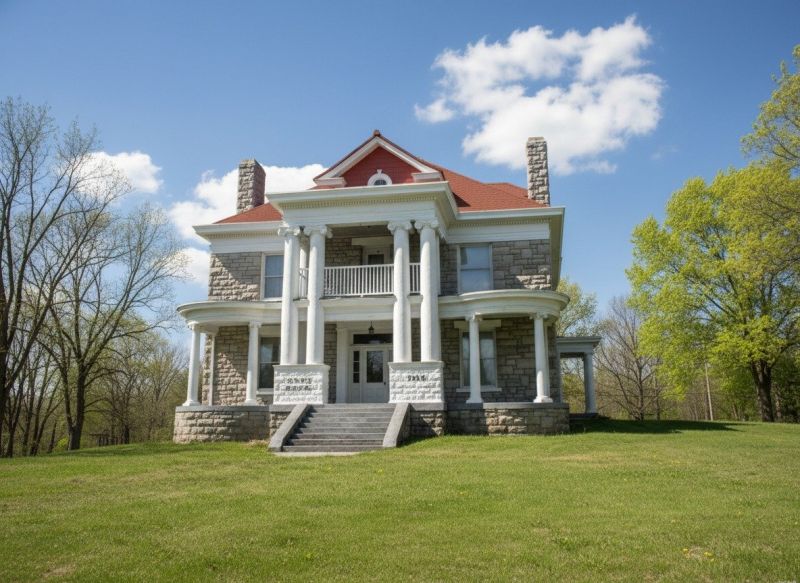
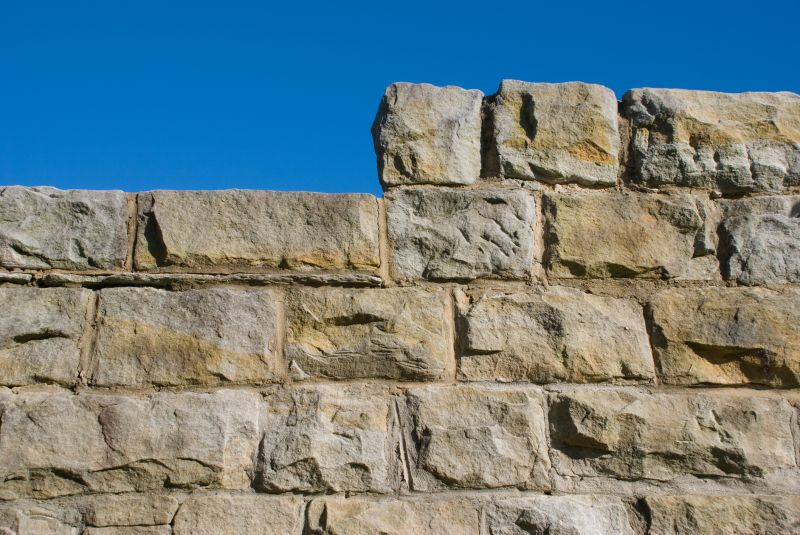

When homeowners search for information on stone masonry vs. brick masonry, they are often trying to understand the fundamental differences between these two traditional building methods. This comparison typically arises when planning projects such as building or restoring fireplaces, walls, facades, or outdoor features like patios and retaining walls. People want to know which material offers better durability, aesthetic appeal, and suitability for their specific property. The decision can significantly impact the appearance and longevity of a structure, making it important to understand how each material performs in different settings and conditions.
These topics are closely related to property improvements or repairs that require durable, attractive masonry work. For example, a homeowner might be considering a new brick facade but is curious about how stone masonry could provide a different look or longer-lasting solution. Other common projects include constructing garden walls, outdoor fireplaces, or restoring historic properties that feature either stone or brick. Understanding the key differences helps homeowners make informed choices about material selection, ensuring that the finished project meets their aesthetic preferences and functional needs. Local contractors specializing in masonry can evaluate these factors and recommend the best approach based on the property's characteristics and the project's goals.
Properties that typically involve stone or brick masonry tend to be residential homes, historic buildings, commercial properties, or outdoor spaces designed for aesthetic appeal and durability. Residential properties often feature brick or stone facades, chimneys, or patios, while historic structures may require restoration using traditional masonry techniques. Commercial properties might incorporate brick or stone for their strength and visual impact. Outdoor features such as retaining walls, walkways, or decorative facades also frequently utilize these materials. Each property type presents unique considerations for material choice, with local masonry pros offering expertise to match the right material to the property's style, location, and intended use.
Understanding the differences between stone masonry and brick masonry helps homeowners grasp how each material can influence the outcome of their projects. Stone masonry involves working with natural stones, which can vary in size, shape, and color, allowing for a more rustic or natural appearance. It tends to be more durable and weather-resistant but can be more labor-intensive to install. Brick masonry uses manufactured bricks that are uniform in size and shape, making installation more straightforward and providing a clean, classic look. Local service providers skilled in both types of masonry can assess the specific needs of a property, recommend suitable materials, and execute the work with attention to durability and aesthetic appeal. This knowledge ensures that the finished project aligns with the homeowner’s vision and the property's functional requirements.
Stone veneer installation - local contractors skilled in stone veneer work often handle projects that require detailed planning and precise tool use similar to stone masonry versus brick masonry comparisons.
Retaining wall construction - building retaining walls involves understanding material properties and structural planning akin to the differences between stone and brick masonry techniques.
Fireplace and chimney building - professionals experienced in constructing fireplaces and chimneys work with similar material considerations and craftsmanship found in stone and brick masonry projects.
Facade restoration and repair - restoring historic facades often requires expertise in matching stone or brickwork, emphasizing the key differences between these masonry types.
Paving and walkway installation - laying stone or brick pavers involves planning and skill sets that align with the techniques used in stone and brick masonry work.
Architectural stonework design - designing custom stone features requires understanding material characteristics and detailed craftsmanship similar to key distinctions in masonry types.
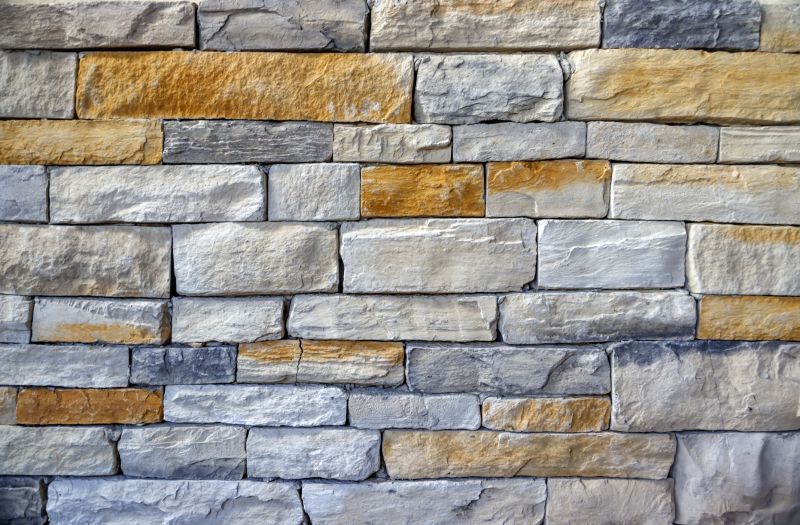
When comparing service providers for stone masonry versus brick masonry, it’s important to consider their experience with similar projects. Homeowners should inquire about the types of masonry work the contractors have completed in the past, especially projects involving natural stone or brickwork. An experienced contractor will understand the unique challenges and techniques required for each material, ensuring the finished product meets expectations. Reviewing portfolios or asking for references related to previous stone or brick projects can provide insight into their expertise and the quality of their work.
Clear, written expectations are crucial when evaluating local contractors for masonry work. Homeowners should seek detailed proposals that outline the scope of work, materials to be used, and the project timeline. This helps prevent misunderstandings and ensures that both parties are aligned on the project’s goals. When considering stone masonry services, it’s especially important to clarify the specific type of stone, the finish desired, and any special handling or installation requirements. Well-documented expectations can serve as a valuable reference throughout the project, promoting transparency and accountability.
Reputable references and effective communication are key factors in selecting the right service provider. Homeowners should ask for references from recent clients who had similar stone or brick projects, and follow up with those references to gauge satisfaction and the contractor’s professionalism. Good communication from the start - including responsiveness, clarity, and willingness to answer questions - can make the entire process smoother. Choosing a local contractor known for clear communication and positive references can help ensure the masonry work aligns with the homeowner’s vision and is completed to a high standard.
Property owners often search for stone masonry vs. brick masonry: key differences when they are planning practical projects around their homes and businesses. Local pros provide Stone Masonry services for everyday jobs and straightforward project options.
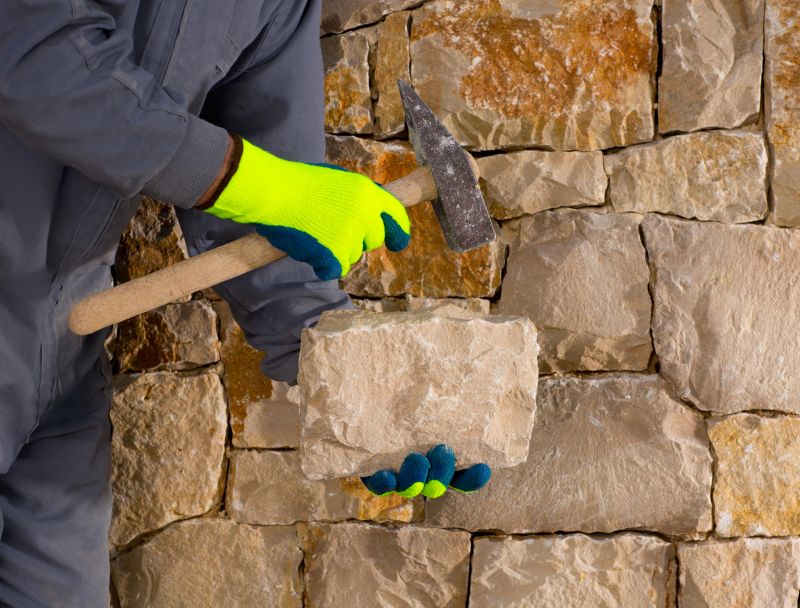
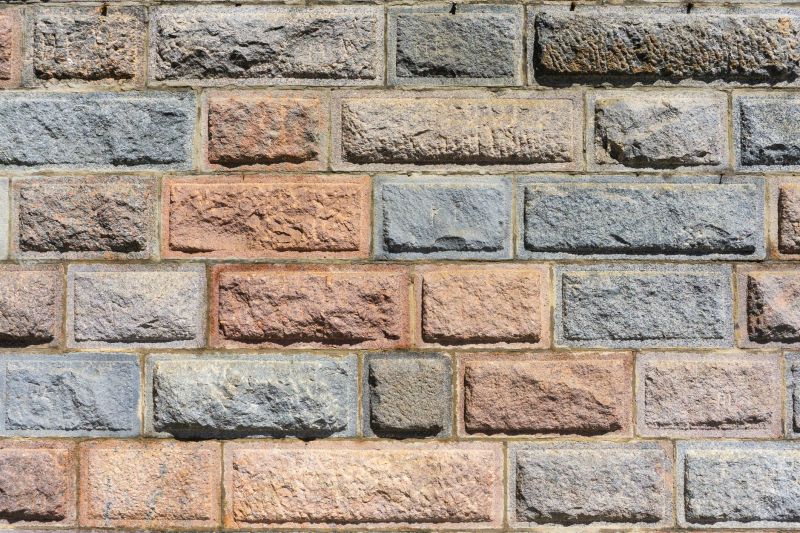
Understanding the differences between stone masonry and brick masonry can help property owners make informed decisions for various projects around the home. Stone masonry typically involves working with natural stones, which can provide a more rustic or timeless appearance, making it suitable for features like retaining walls, facades, or decorative accents. Brick masonry, on the other hand, uses manufactured bricks that are often more uniform in size and shape, making it a popular choice for building sturdy walls, fireplaces, or outdoor structures with a classic look. When considering these options, property owners might look up this topic to determine which material best fits their aesthetic preferences, durability needs, or project scope.
Local contractors specializing in stone masonry services are equipped to handle a variety of applications, from creating intricate stone features to repairing existing stonework. Similarly, they can advise on when brick masonry might be more appropriate for certain projects, such as building durable, low-maintenance walls. Property owners seeking to understand the key differences can benefit from consulting with these local service providers, who can help evaluate the specific requirements of each project and recommend the best material choice based on factors like longevity, appearance, and structural needs.
What are the main differences between stone masonry and brick masonry? Stone masonry typically involves using natural stones, offering a durable and timeless appearance, while brick masonry uses manufactured bricks that are uniform in size and shape. Local contractors can help determine which material suits specific project needs based on these differences.
How does the appearance of stone masonry compare to brick masonry? Stone masonry provides a more natural, rustic look, whereas brick masonry offers a classic, structured aesthetic. Service providers can advise on the best style to match the desired design and surrounding environment.
Are there structural differences between stone and brick masonry? Yes, stone masonry often provides greater strength and load-bearing capacity due to the density of natural stones, while brick masonry is versatile and easier to work with for various structural applications. Local pros can assess which material is appropriate for specific structural requirements.
What maintenance considerations are different for stone versus brick masonry? Stone masonry generally requires less maintenance and is more resistant to weathering, whereas brick masonry may need periodic repointing and cleaning. Service providers can offer guidance on upkeep based on the material used.
Can local pros help decide between stone masonry and brick masonry for a project? Yes, experienced local contractors can evaluate project goals, site conditions, and aesthetic preferences to recommend the most suitable material, ensuring the masonry work aligns with the overall design and durability needs.
Choosing materials for outdoor fireplaces - property owners can explore stone masonry services to create durable, natural-looking fireplaces that enhance outdoor living spaces.
Restoring historic facades - local contractors can assist with stone or brick restoration to preserve the character and integrity of older buildings.
Building retaining walls - property owners might consider stone masonry for strong, visually appealing retaining walls that support landscaping needs.
Creating decorative features - stone masonry services can help add unique, textured elements like garden borders or accent walls to enhance curb appeal.
If you are thinking about stone masonry vs. brick masonry: key differences for a property, this guide is meant to help you understand this topic, the typical project types, and how different options might fit your plans.
When you are ready, you can use the quote form on this page to share a few details about your project. From there, local pros can review the basics and follow up with options that match what you have in mind.